Practical Astrology: Integrating Canva Planner Templates into Your Workflow
For many professionals, creators, and productivity-minded individuals, the alignment of timing and intention is a critical factor in success. This is where Astrology Canva Planner Templates enter the workflow. Far from being merely decorative, these tools serve as a bridge between celestial cycles and daily execution. When you receive a set of these templates—typically delivered as a PDF containing a direct Canva link to 15 customizable designs—you gain more than just a planner; you acquire a strategic framework designed to sync your projects with the energetic flow of the zodiac.
Understanding the Asset
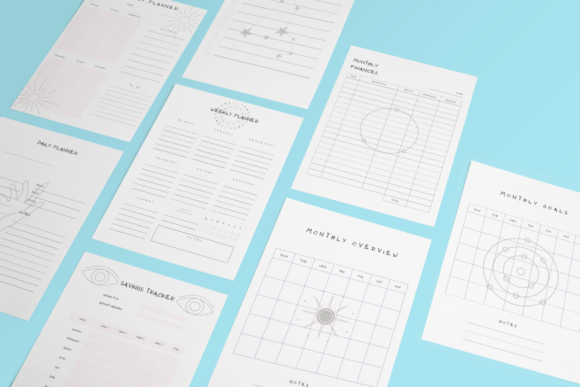
Before integrating these templates into your routine, it is essential to understand the deliverable. You receive a single PDF file which acts as a gateway to a Canva project containing 15 distinct template pages. These pages are fully customizable within both Canva Free and Canva Pro. The core value lies in the flexibility: you can alter the color palettes to match your brand identity, swap fonts for better readability, and adjust the layout to fit specific planning needs. This adaptability ensures that the tool fits seamlessly into existing brand guidelines for small business owners or personal aesthetic preferences for hobbyists.
The templates generally cover the full spectrum of the zodiac wheel, planetary transits, and lunar phases. However, the implementation of these designs is where the real work happens. Treating these templates as static documents limits their utility; they must be viewed as dynamic assets that require input and editing to become effective planning tools.
Strategic Preparation: Before the Project Begins
The most effective use of an astrology-based planner occurs in the preparation phase. Before launching a new marketing campaign, starting a creative project, or setting quarterly goals, use the templates to map out the cosmic landscape. This involves identifying key dates such as Mercury retrogrades, New Moons, and Full Moons, and inputting this data into the Canva templates.
For example, if you are a freelance writer planning your editorial calendar, you would open the Canva link and duplicate a template page for the upcoming month. You would then populate the dates with planetary data. By doing this before the project starts, you create a roadmap that anticipates periods of high energy (ideal for launches or networking) and periods of low energy or reflection (ideal for editing or resting). This pre-work prevents the common pitfall of scheduling high-stakes tasks during astrologically challenging periods.
Customization for Brand Consistency
Once the data is mapped, the next step is visual integration. If you are using these planners for client-facing social media content or internal team documents, consistency is key. Use Canva’s Brand Kit (available in Pro) or manually input your Hex codes to change the template backgrounds and text colors. This transforms a generic astrology template into a professional business asset. It ensures that when you export the final PDF or PNG to share with your team, it looks like a native part of your business ecosystem rather than a third-party add-on.
Execution and Workflow Integration
During the active phase of a project, these templates serve as a daily or weekly check-in system. This is not about rigid adherence to every planetary movement, but rather about context. When you encounter a roadblock or a delay, referencing your customized astrology planner can provide perspective. For instance, if a contract negotiation is stalling, checking the planner might reveal a Mercury retrograde influence, suggesting that delays are temporary and that patience is the required strategy.
Interaction with Other Tools
These Canva templates rarely exist in a vacuum. They interact with other digital tools in your stack. A practical workflow involves using the Astrology Canva Planner as a high-level strategic layer that informs your granular task manager (such as Trello, Asana, or Notion).
- The Macro View: Use the Canva planner to determine the "theme" of the week or month based on astrological transits.
- The Micro View: Translate those themes into actionable tasks in your digital calendar or project management software.
For instance, if the astrology planner highlights a week dominated by Aries energy, you might schedule aggressive sales outreach in your CRM. If the following week is dominated by Taurus energy, you might schedule financial reviews or stability checks. The Canva template acts as the strategic overlay, while your other tools handle the tactical execution.
Sharing and Community Feedback
A unique aspect of using these templates is the opportunity for community engagement. The prompt to "Share Your Project" is more than a marketing request; it is a workflow checkpoint. Once you have customized a template—perhaps creating a "Q3 Launch Strategy" planner based on the zodiac—sharing that image serves multiple purposes.
First, it acts as a portfolio piece for designers or virtual assistants who specialize in spiritual or wellness niches. Second, it serves as an accountability tool. By posting your customized planner on your social feed, you signal your intentions to your network. This visibility can attract collaborators or clients who resonate with your planning style. It transforms a private planning session into a public declaration of intent and professionalism.
Long-Term Use and Quality Control
To ensure these templates remain useful over time, you must treat them as living documents. Do not simply create a planner for January and discard the file. Instead, use the "Duplicate Page" function in Canva to create iterations for every month.
Establish a quality control process: at the end of each month, review the accuracy of your astrological planning. Did the high-energy days align with actual productivity? Did the retrograde periods actually bring communication breakdowns? Use this data to refine how you use the templates in the following month. This iterative process moves you from passive consumption of astrology to active, data-informed application.
Furthermore, consider the file management aspect. Because you receive a PDF with a link, it is vital to save that link securely. If you lose the access point, you lose the asset. Create a dedicated folder in your cloud storage for "Canva Assets" and pin the link to your project management board. This ensures that the tool is always accessible when you enter the planning phase of a new cycle.
Practical Implementation Tips
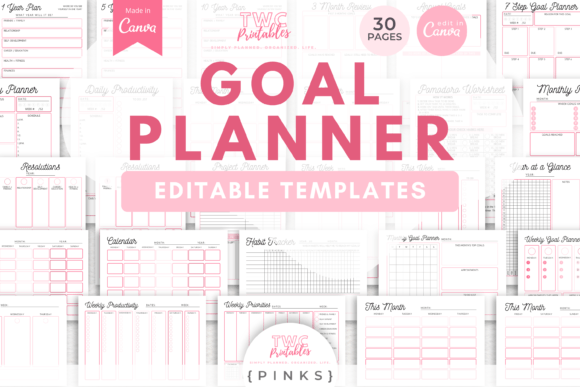
- Batch Processing: Do not customize the templates daily. Set aside time at the start of each month to batch-edit all 15 pages if needed, or select the specific layouts that fit the upcoming month's goals.
- Layering Information: Use Canva’s transparency features to layer astrological data over your actual project timelines. This creates a visual overlay that shows where cosmic themes intersect with deadlines.
- Export Formats: While the source is in Canva, export your final plans as PDFs for printing or high-res PNGs for digital sharing. This versatility allows you to switch between analog planning (printing the sheet) and digital sharing (posting to Instagram or Slack).
Ultimately, Astrology Canva Planner Templates are a framework for intentional timing. By customizing the designs, integrating them with your broader toolset, and using them to inform your preparation and execution phases, you elevate astrology from a hobby to a functional component of your productivity system. Whether you are a small business owner looking for a marketing edge or a creative seeking inspiration, these templates provide the structure needed to align your work with the rhythm of the year.