Unlocking Urban Creativity: How Streetwear Design Templates Are Reshaping Fashion and Brand Identity
The New Frontier of Digital Fashion Assets
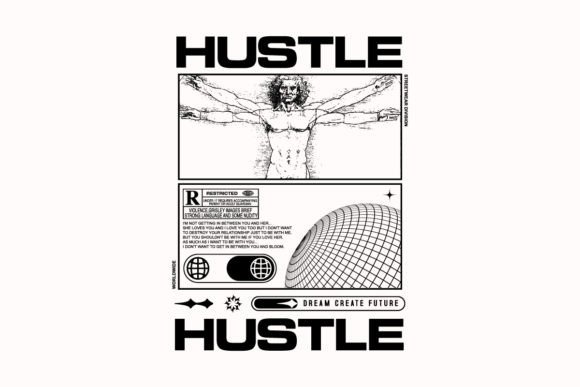
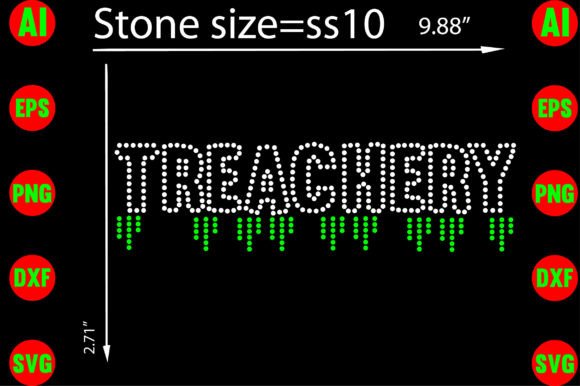
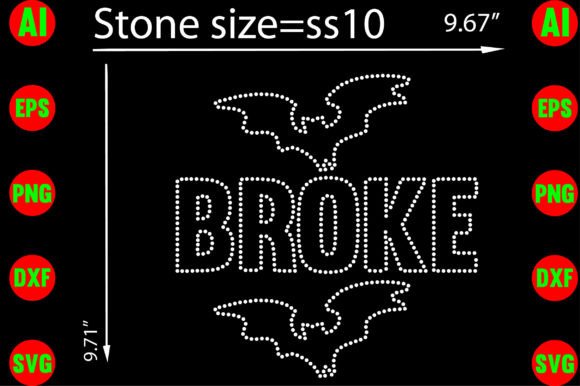
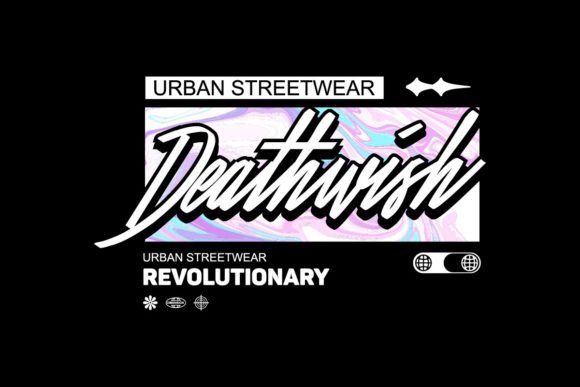
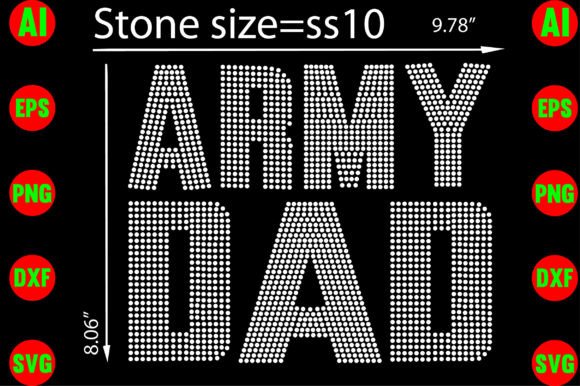
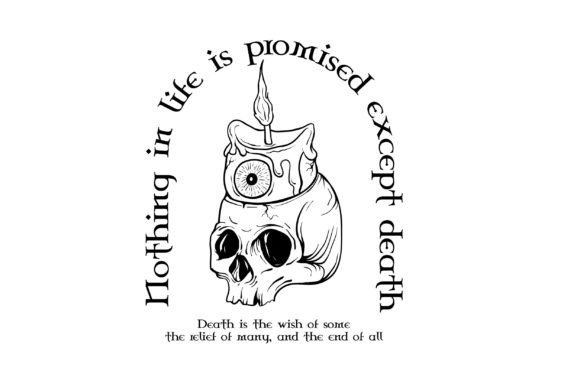
In the dynamic intersection of graphic design and urban fashion, a significant shift is occurring in how creators approach apparel production. The era of starting from a blank canvas for every single garment is rapidly being replaced by a more efficient, scalable workflow centered on high-quality digital assets. At the forefront of this movement is the concept of Streetwear Deesign Templates Design. This is not merely a collection of pre-made graphics; it represents a curated ecosystem of aesthetic urban streetwear design collections specifically engineered for the modern market. These templates serve as the foundational blueprint for custom printed clothing, streetwear fashion brands, and a diverse array of merchandise, bridging the gap between raw artistic vision and commercial viability.
The core value proposition of these templates lies in their unique and aesthetic nature. Unlike generic clipart or overused stock imagery, professional streetwear templates are crafted with an understanding of current subcultures, typography trends, and graphic layering techniques that define the "urban" look. For professionals and entrepreneurs, this means access to a visual language that resonates with contemporary consumers without the exorbitant cost of commissioning bespoke illustrations for every new drop.
The Technical Backbone: Scalability and Vector Flexibility
One of the most compelling reasons for the rising adoption of these design assets is the underlying technology that powers them: vector graphics. The offerings in this space typically include 100 Vector source files in EPS formats. For the uninitiated, vector files are mathematical equations rather than fixed pixels. This distinction is crucial for anyone involved in manufacturing custom printed clothing.
When you utilize a raster image (like a standard JPG or PNG), scaling up the design often results in pixelation—a blurry, unprofessional look that is unacceptable in high-end streetwear. Conversely, vector files allow creators to transform, scale up or down, add or remove elements, or recolor the design without losing a single ounce of quality. This capability fundamentally changes the production workflow. A designer can take a single "Streetwear T-shirt Design" and adapt it for a small chest logo, a massive back print, or even a side panel on a hoodie, all while maintaining crisp, clean lines.
The inclusion of high-resolution JPGs alongside these vectors ensures that the files are immediately accessible for digital mockups or quick presentations, while the EPS formats remain the master files for final production. This dual-format approach acknowledges the varying needs of modern digital workflows, from rapid prototyping to final manufacturing.
Market Trends: The Rise of the "Micro-Brand" and Rapid Turnaround
The relevance of streetwear design templates cannot be discussed without acknowledging the explosive growth of the micro-brand economy. Platforms like Shopify, Etsy, and various print-on-demand (POD) services have democratized retail. Today, a freelance designer or a marketing team can launch a clothing line with minimal upfront capital. However, this accessibility has created a hyper-competitive environment where speed to market is paramount.
Consumer preferences in the streetwear sector are notoriously fickle; trends move from the runway to the sidewalk in weeks, not months. This velocity demands that creators have access to assets that allow for rapid iteration. By leveraging a robust collection of Streetwear Deesign Templates Design, entrepreneurs can respond to trending aesthetics—be it Y2K nostalgia, brutalist typography, or abstract grunge—almost instantly. They are not waiting weeks for a freelance illustrator to deliver concepts; they are curating, editing, and uploading designs within hours.
Furthermore, the aesthetic of streetwear has permeated beyond just clothing. It is now a dominant visual language for music merchandising, tech accessories, and even corporate "casual" branding. The versatility of these templates allows a single design to be repurposed across a spectrum of merchandise, ensuring brand consistency while catering to diverse product lines.
Practical Application: From ZIP File to Physical Product
Understanding the workflow of utilizing these templates highlights their practical value. The process is streamlined for efficiency. Typically, the files are compressed in one ZIP Format, requiring extraction before use. Once unzipped, the designer gains access to the full library of assets.
Consider a practical scenario: A freelance creator is tasked with developing a capsule collection for a client targeting Gen Z. The client wants a "retro-futurism" vibe. Instead of spending days sketching, the creator opens the vector files in software like Adobe Illustrator or CorelDRAW. They select a geometric template from the collection, recolor it to match the client’s brand palette, and overlay custom typography. Because the files are vector, they can easily edit vector files in any vector graphics software.
Once the design is finalized, it is exported for the specific manufacturing method. For sublimation printing—which is becoming increasingly popular for all-over prints—the high-resolution rasterized versions are utilized. For screen printing or DTG (Direct to Garment), the vector files ensure that color separations are clean and accurate. This seamless transition from digital asset to physical product is what makes these collections "perfect for t-shirt sublimation other merchandise."
The Business Case: Reducing Overhead and Enhancing Quality
For the business-minded professional, the argument for using streetwear design templates is rooted in economics and quality control. Hiring a graphic designer for custom work can range from $50 to $500 per design. For a brand releasing weekly drops, this cost accumulates rapidly, eating into profit margins. A comprehensive template collection offers a flat-rate solution that provides hundreds of variations.
However, this is not about cutting corners; it is about resource allocation. By utilizing high-quality templates, brands can redirect their budget toward marketing, better quality blanks (the actual t-shirts), or improved fulfillment logistics. It allows the entrepreneur to act as an Art Director rather than a production artist. They can mix and match elements from different templates to create something that feels bespoke, yet requires a fraction of the time and financial investment.
Moreover, the consistency provided by professional templates elevates the perceived value of the brand. In the streetwear world, the quality of the graphic is often equated with the quality of the brand itself. "Extraordinary" designs command higher price points. Using substandard or generic graphics limits a brand's ceiling, whereas utilizing high-end, aesthetic collections allows for positioning in a more premium market segment.
Future-Proofing Your Creative Workflow
As we look toward the future of fashion and design, the integration of digital assets into physical production will only deepen. The distinction between a "graphic designer" and a "brand founder" is blurring. Tools that empower creators to maintain high aesthetic standards while operating at startup speeds are essential.
Streetwear Deesign Templates Design collections are more than just downloadable art; they are infrastructure for modern creativity. They acknowledge the reality that inspiration is infinite, but time and budget are finite. By providing a toolkit that is flexible, scalable, and technically sound, these resources empower a new generation of creators to bring their visions to life. Whether you are a seasoned marketer looking to launch branded merchandise or a freelancer building a portfolio, the ability to edit, transform, and deploy professional-grade graphics is no longer a luxury—it is a requirement for success in the digital age.
The message is clear: to succeed in the crowded marketplace of custom apparel, one needs tools that offer both aesthetic distinction and technical perfection. The era of the template is here, not as a crutch for the uninspired, but as a lever for the ambitious.